
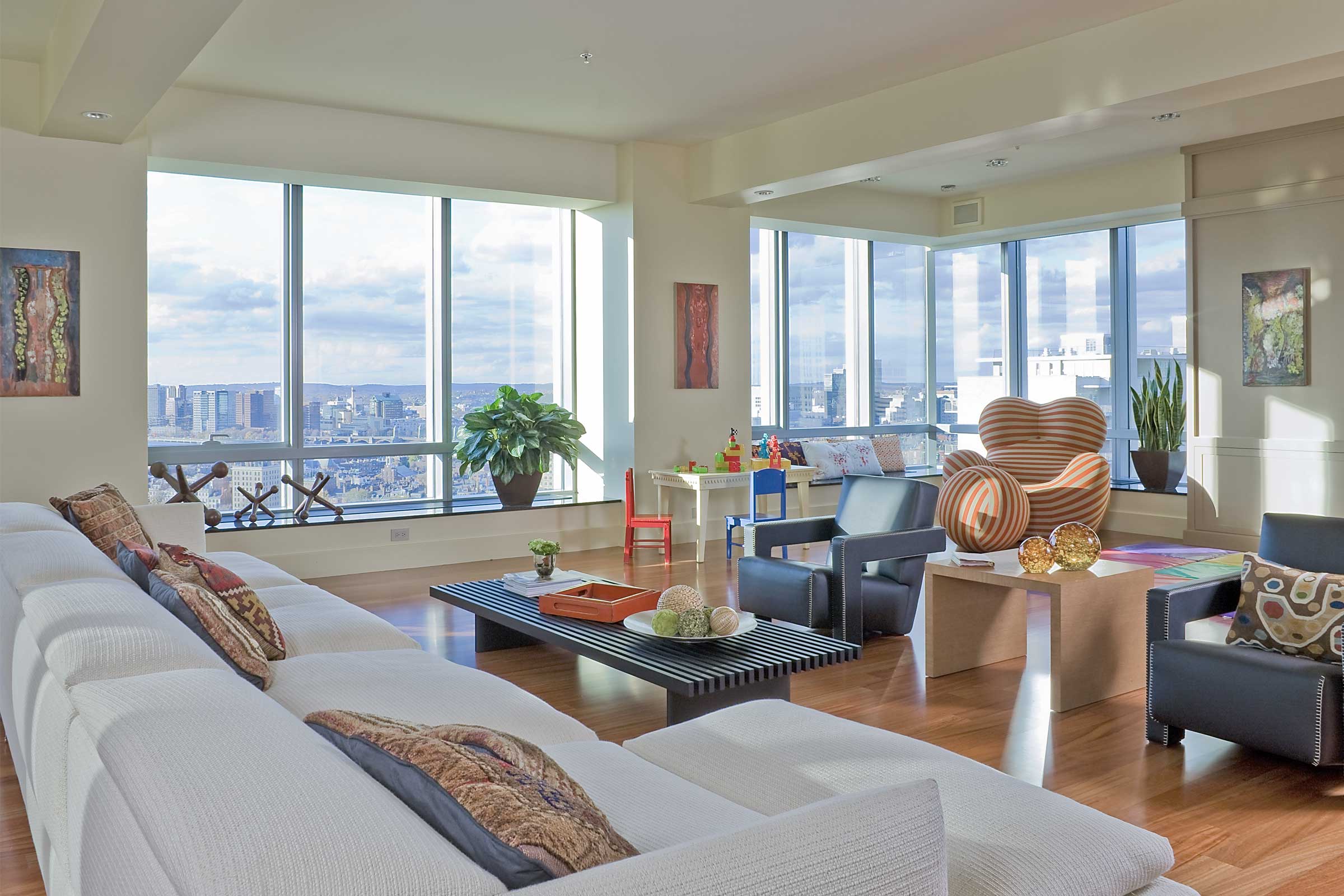
In the city, every square foot matters. Tight footprints, shared walls, and ever-changing views shape the way we live — and challenge us to design with intention. Urban homes demand a balance of precision and warmth, where light, materials, and circulation all play equal roles. Each decision must work harder, but when done well, the result feels effortless.
At David Sharff Architect, we approach city projects as opportunities to reveal clarity within complexity — whether reimagining a compact pied-à-terre, transforming a historic brownstone, or reconfiguring a high-rise apartment. Across these varied contexts, the goal remains the same: make space count.
High-Rise Apartment — Sophistication in the Sky
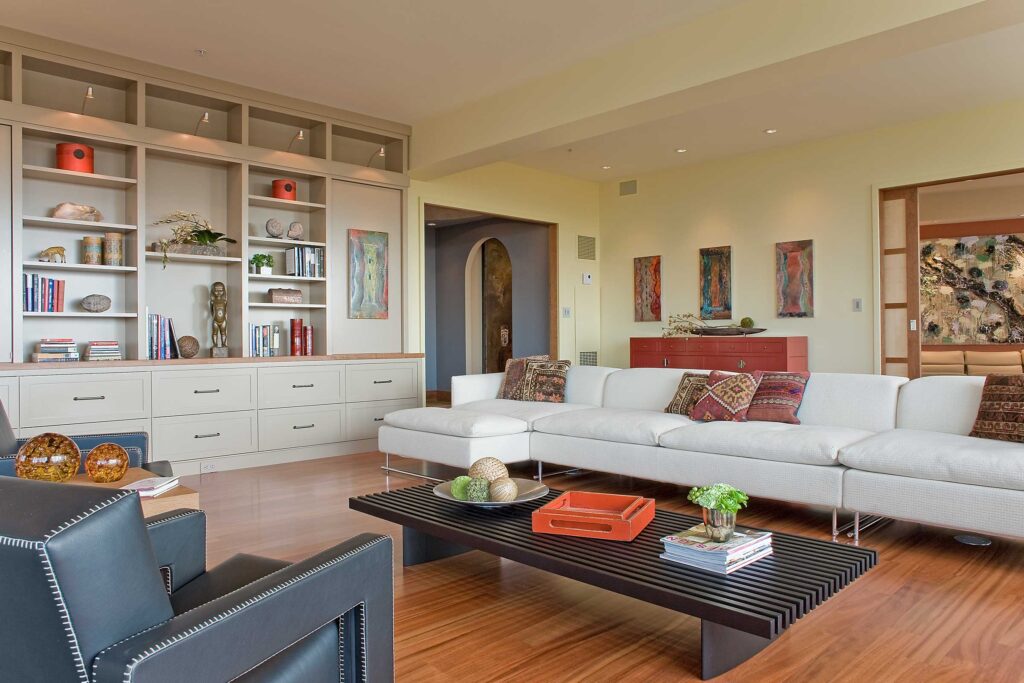
On the 26th floor of a Boston high-rise, this residence was completely reimagined to bring warmth and coherence to a previously dated layout. Cove lighting and flush panel doors conceal technical systems, allowing the eye to rest on clean lines and artfully framed views.
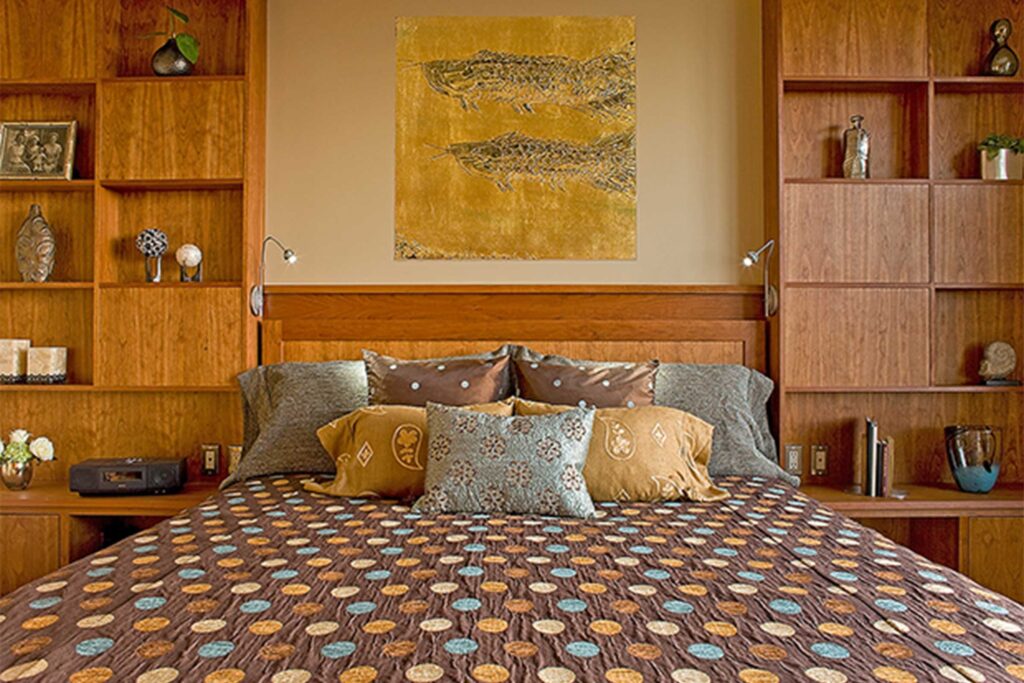
Custom millwork defines each zone, concealing storage and mechanical systems while showcasing art and personal objects. The result is a home that feels serene and grounded — an elegant refuge above the city.
Back Bay Floor-Through — Historic Meets Contemporary

In a late-19th-century Back Bay building, two adjacent condos were combined into a single floor-through home that bridges classic and modern design. Historic moldings, tall windows, and original fireplaces were preserved, while sleek new finishes and built-ins bring a clean, contemporary sensibility.

Sliding glass doors, sculpted stone surrounds, and walnut cabinetry provide both contrast and continuity. The home feels timeless — rooted in Boston’s architectural heritage yet adapted to today’s urban lifestyle.
Brownstone Renovation — Classical Form, Minimal Interior

An 1872 Back Bay townhouse offered a chance to balance restoration and restraint. The historic façade, copper eave, and balustrade were carefully preserved, while the interiors were pared back to highlight proportion, light, and material.
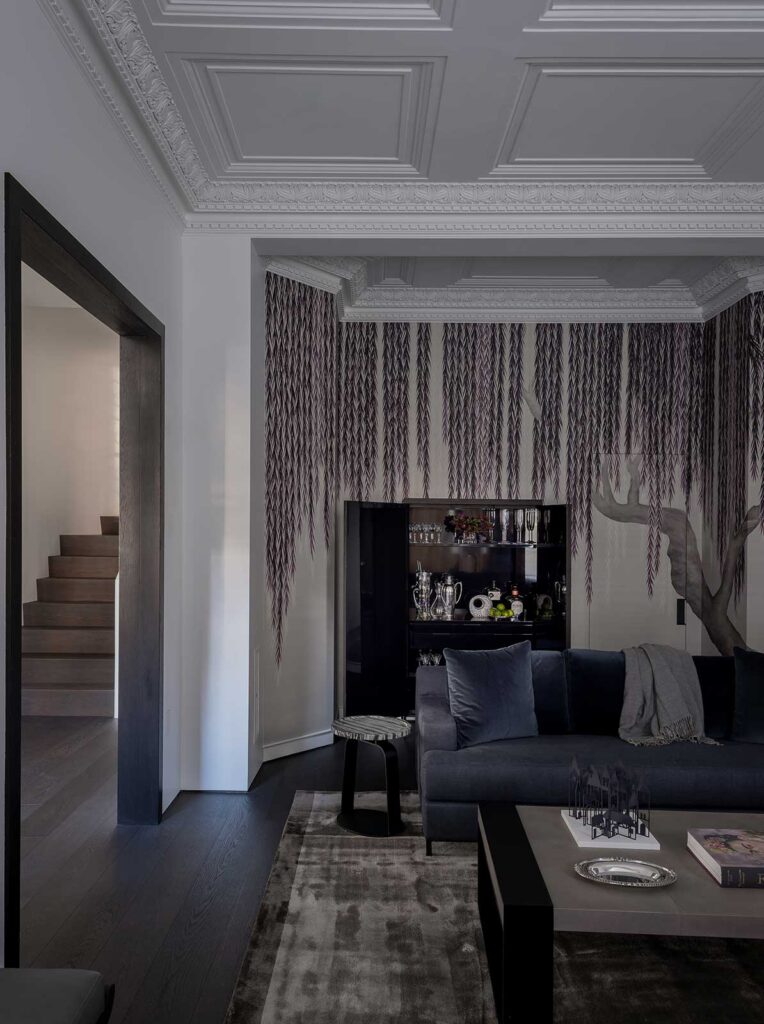
The sculptural staircase anchors the home, surrounded by subtle detailing and a quiet palette that lets art and architecture take center stage. Here, traditional craftsmanship meets a modern sense of calm.

Rowes Wharf Pied-à-Terre — Efficient and Elegant

Perched above Boston Harbor, this compact apartment — with finishes and layout original to the late 1980s — was reimagined to feel open, layered, and personal. Streamlined circulation, integrated built-ins, and subtle shifts in tone and ceiling height create rhythm and flow.

Cleanly detailed built-ins anchor the main living spaces, balancing the harbor view with a sense of grounded intimacy. The design achieves a balance of efficiency and luxury, proving that true refinement isn’t about size, but about intention.

Lessons from Urban Design
Across these projects, a few consistent ideas define how we approach city living:
- Built-ins as Architecture — Custom millwork transforms storage into structure, allowing functionality to merge with form.
- Flow and Proportion — Simplified circulation and well-defined zones lend clarity and calm to compact plans.
- Light and View — In dense environments, daylight and perspective become precious resources. Design should frame and enhance them.
- Material Refinement — When space is limited, every surface matters. Thoughtful detailing and natural textures elevate daily living.
Urban homes may be constrained by size or structure, but those same limits often lead to the most inspired results. With careful attention to proportion, light, and craft, even the smallest apartment can embody a sense of balance and ease — proof that in the city, great design is about making space count.